Moving to Smaller English Cities: The Good and the Bad
Living in smaller UK citiess
Exploring the opportunities and challenges of life beyond the big city
CONTEXT
Why Consider Smaller Cities?
Leaving London for smaller cities
Over 10% of the UK population lives in small towns (5,000–25,000 residents), offering a refreshingly different pace of life than bustling metropolitan areas.
Smaller cities and towns in Northern England contribute nearly one-third of the region’s economy and have grown as fast as core cities since 2010, proving their economic vitality.
The pandemic fundamentally shifted perspectives on urban living, with mobility patterns showing renewed interest in less dense, more spacious communities.
THE GOOD
Affordable Housing and More Space
Significant Savings
Average house prices in small towns are often 40-50% lower than nearby big cities. For example, New Addington averages £364K compared to London’s £692K—a life-changing difference.
More Property Options
Greater land supply means more detached and semi-detached homes are available, offering variety and value that’s increasingly rare in major cities.
Quality of Life
Larger living spaces and private gardens dramatically improve daily life, especially for families and remote workers seeking comfort and functionality.
Since Covid, there has been an increase of families moving out of the big cities and going to small locations where you can buy more land and space with the cost of a house in London for instance. Since 2021 the number of removals our of London is increasing at Costa Removals Express being circa 12% of the total in 2025.
THE GOOD
Community and Tranquility
Close-Knit Communities
Small towns foster genuine connections where neighbors know each other, reducing loneliness and creating strong support networks that enhance well-being.
Peaceful Environment
Scenic, tranquil surroundings promote mental well-being and encourage healthier lifestyles with easy access to nature and outdoor activities.
Less Daily Stress
Shorter commutes and minimal traffic reduce daily stress and reclaim valuable time for family, hobbies, and relaxation.
THE GOOD
Growing Local Economies and Opportunities
Economic Vitality
Many smaller cities like Warrington and Durham boast productivity and growth rates that rival larger cities, proving they’re economic powerhouses in their own right.
Diverse Job Markets
Local economic clusters complement urban hubs, offering diverse career opportunities without the intense competition and pressure typical of big cities.
Improving Infrastructure
Increasing investment in transport links and digital infrastructure steadily improves connectivity to major centers while maintaining local character.
THE BAD
Limited Social and Cultural Amenities
Fewer Entertainment Options
Smaller cities offer significantly fewer restaurants, theaters, museums, and cultural events compared to big cities, which can feel limiting for culture enthusiasts.
Reduced Nightlife and Networking
Less vibrant nightlife and fewer professional networking opportunities can feel isolating, particularly for younger residents and career-focused individuals.
Healthcare Access
Access to specialized medical care and large hospitals may require travel to nearby cities, a crucial consideration for families and those with specific health needs.
THE BAD
Public Transport and Connectivity Challenges
Limited Public Transport
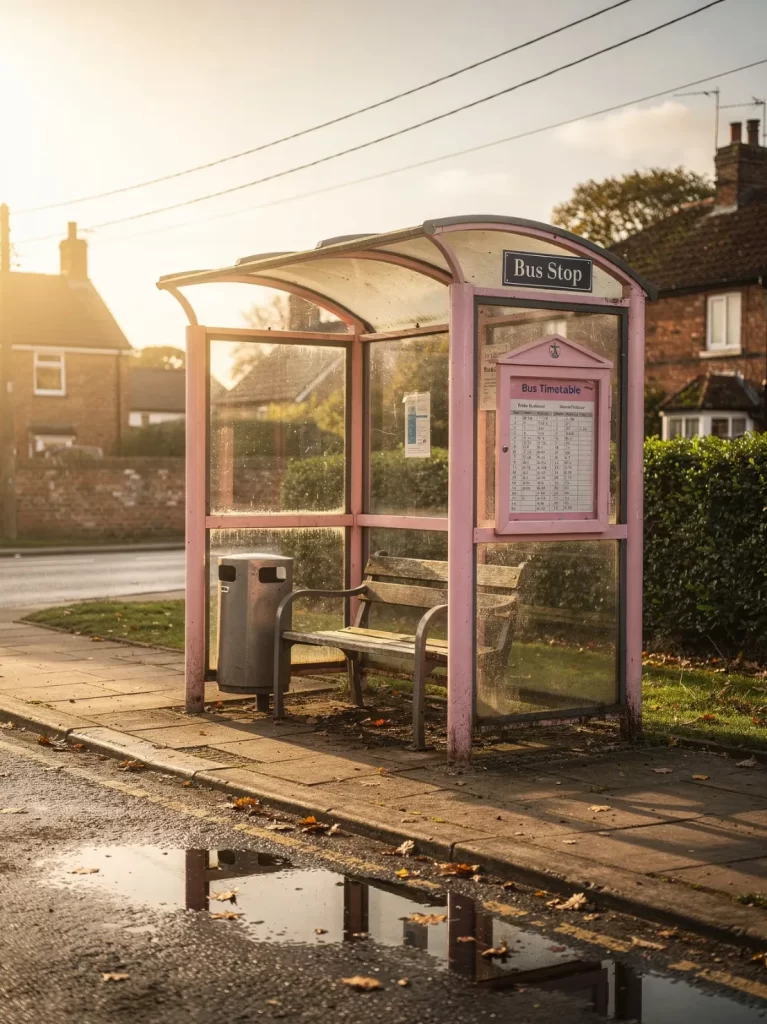
Bus and train services are often less frequent and less extensive than in big cities, making daily travel more challenging and time-consuming.
Car Dependency
Reliance on personal vehicles increases living costs through fuel, insurance, and maintenance, while also contributing to environmental impact.
Perceived Peripherality
Both real and perceived remoteness can limit access to wider job markets, services, and opportunities that urban centers provide effortlessly.
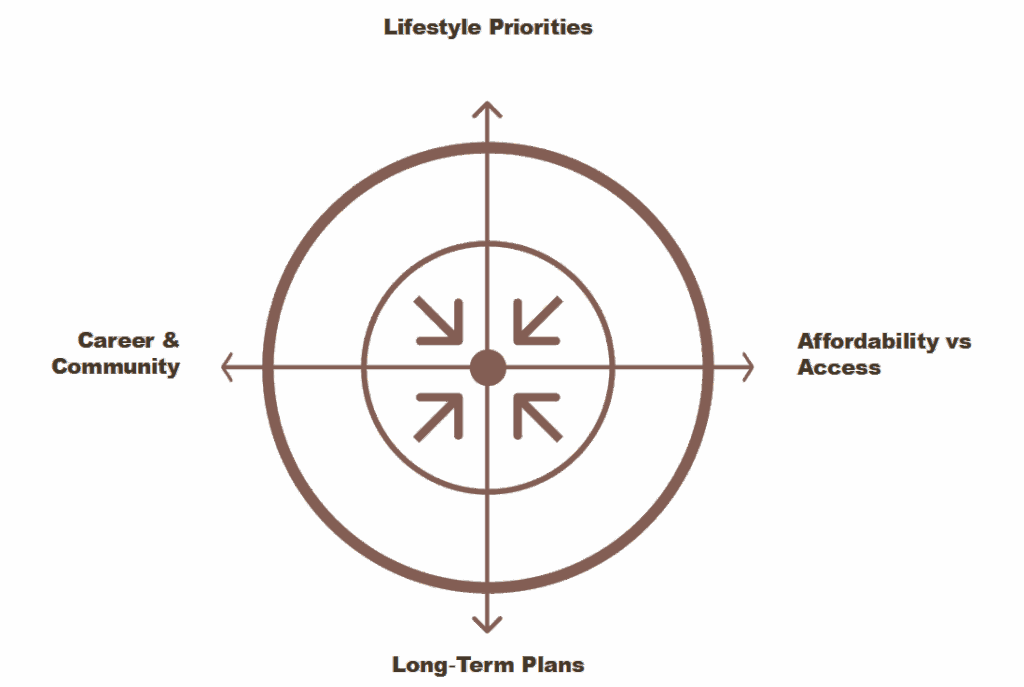
Balancing the Decision: What Matters Most?
Making the right choice requires careful consideration of your personal values, career stage, and long-term goals. Weigh what truly matters to you against the realities of each location.
Smaller Cities Offer a Different, Often Better, Way of Life
The Upside
Affordable living, genuine community, growing economies, and quality of life improvements.
The Downside
Fewer amenities, transport challenges, and potential career limitations require consideration.
Your Choice
The best decision depends on your values and life stage—but the trend is clear and growing.
Costa Removals Express help you to move around UK and Europe
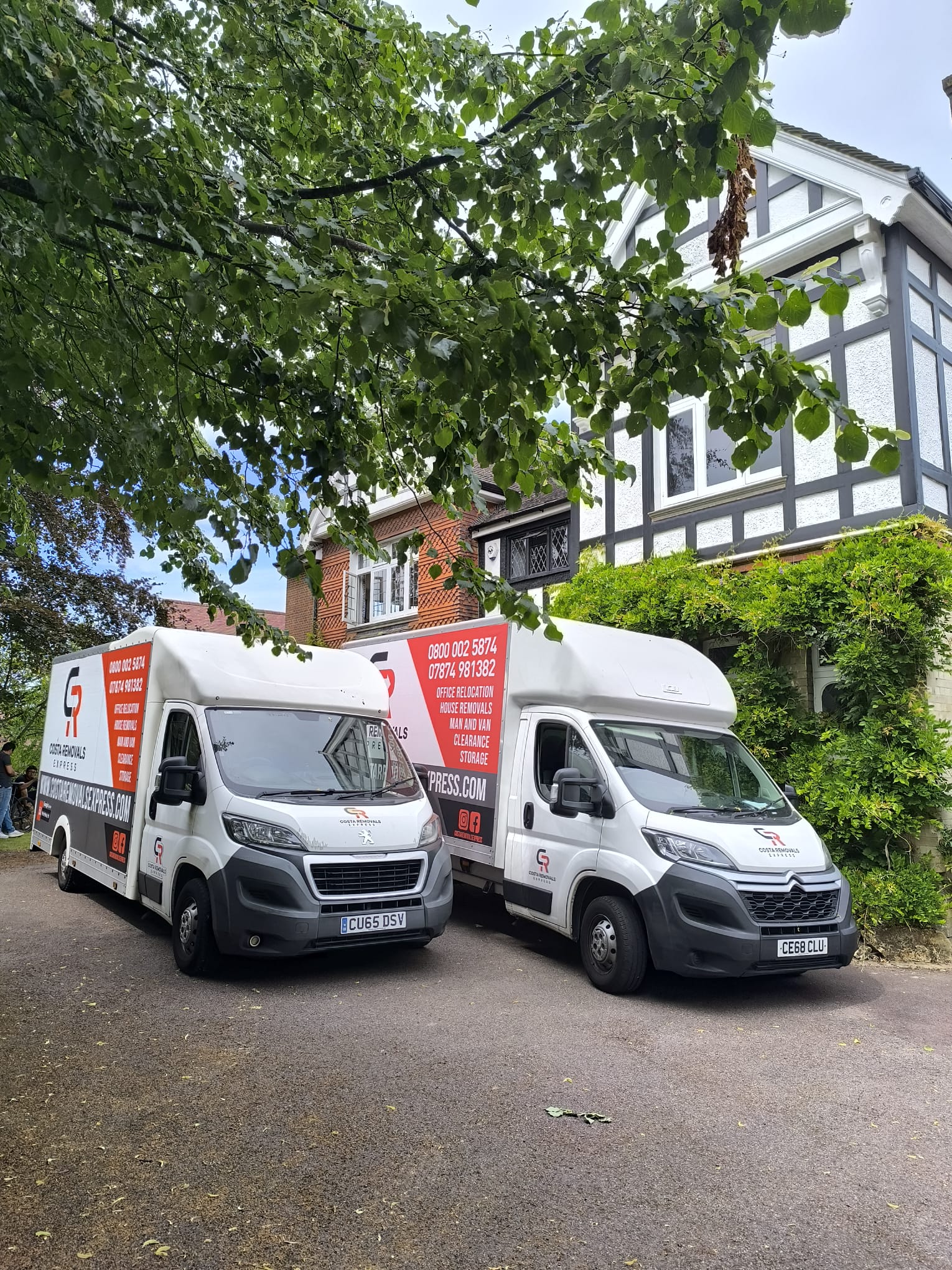
Over the years, Costa Removals has helped many families move from average-sized homes in London to spacious houses with beautiful views in smaller towns and cities. We love this kind of work because it gives us the chance to see homes that are hundreds of years old, surrounded by charming landscapes.
These moves are also more enjoyable and efficient for our team, as the properties are usually larger, with plenty of space to maneuver items and excellent parking. This is a refreshing contrast to busy city moves, where space is limited and the process can be far more stressful.