A comprehensive guide to planning your move with confidence
The High Stakes of Timing Your Move
First-time buyer mortgage UK
Moving costs, availability, and stress levels vary dramatically by season. Choosing the right time can save you hundreds or even thousands of dollars while reducing headaches.
Weather conditions and school calendars add complexity to your decision. Understanding seasonal patterns helps you make informed choices that align with your priorities and budget.
The Worst Month to Move: December
Rock Bottom Availability
Moving companies are often closed or severely short-staffed due to holidays and winter conditions.
Weather Hazards
Snow, ice, and freezing temperatures increase the risk of delays, accidents, and damaged belongings.
Holiday Stress Overload
Juggling family commitments, travel plans, and moving logistics creates overwhelming pressure.
The Best Month to Move: April
Why April Shines
Perfect weather: Mild spring temperatures make loading and unloading comfortable
Better rates: Moving demand is lower than summer peak, offering competitive pricing
More options: Lease cycles start to pick up, providing more housing choices
Goldilocks timing: Avoids harsh winter cold and oppressive summer heat
Summer: The Peak Moving Season
A staggering 60% of US moves happen during summer months, driven primarily by school breaks and favorable weather conditions.
The Upside
Kids out of school
Flexible schedules
Reliable weather
The Downside
Highest prices
Limited availability
Inexperienced crews
Pro Tip
Book Costa Removals Express months in advance and start early mornings to beat the heat and maximize productivity.
Fall: The Sweet Spot for Moving
Why Fall Works
Cooler temperatures and less rain create ideal moving conditions. Lower demand translates to better rates and greater mover availability compared to summer chaos.
The real estate market remains active with good apartment availability, giving you plenty of housing options to choose from.
Things to Consider
Moving during the school year can disrupt children’s education and social connections
Late fall weather becomes increasingly unpredictable with potential for early winter storms
Daylight hours decrease, limiting your moving window
Winter: Cheapest but Challenging
Budget-Friendly
Lowest demand means significantly discounted moving rates and easy scheduling flexibility.
Weather Risks
Snow, ice, and freezing temperatures can cause dangerous delays and potential damage to belongings.
Smart Strategy
Bundle up warmly, plan buffer time for weather contingencies, and keep pathways clear of ice.
Best Time of Day & Week to Move
01. Move Early Morning
Start at dawn to avoid traffic congestion, beat the heat, and maximize productive daylight hours.
02. Choose Mid-Month Dates
Mid-month moves are often cheaper and less busy than month-start or month-end rush periods.
03. Consider Weekdays
Monday through Thursday moves can be less expensive and less crowded than popular weekends.
Planning Your Lease Transition
Strategic timing creates breathing room during a stressful process.
Overlap Strategy
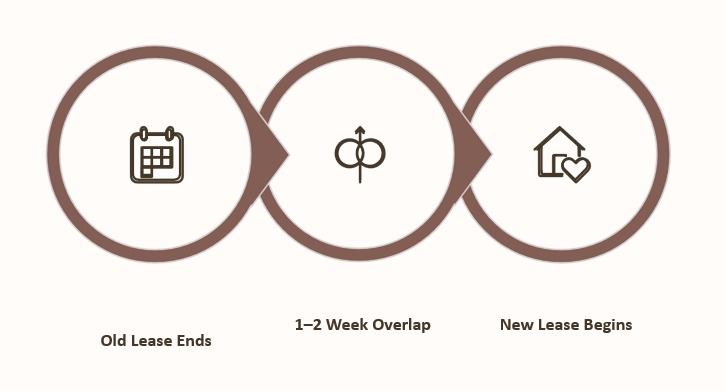
Aim for a 1-2 week overlap between leases to dramatically reduce moving stress and pressure.
Coordinate with property managers for flexible lease start and end dates. This buffer time helps you handle unexpected delays, complete repairs, and deep clean both spaces thoroughly.
Key Takeaway: Balance Your Priorities
Best Overall Value
April and fall offer the optimal mix of cost, weather, and availability for most movers.
Family-First
Summer prioritizes school schedules and family convenience despite premium pricing.
Budget-Conscious
Winter suits cost-focused movers willing to brave challenging weather conditions.
Plan early, book smart, and pick a day and time that fits your lifestyle for a smooth, successful move.
Costa Removals can help you all year around
Based on our experience, winter is often a more affordable time to move. Most people choose to relocate during the summer months, which increases demand and prices. In winter, there is usually more housing availability, and moving costs can be slightly lower as a result.
However, we understand that winter can also bring challenges. Many families face higher expenses during the Christmas period, and some may experience reduced income depending on their line of work.
That’s why Costa Removals is here for you all year round. We offer reliable, flexible, and high-quality moving services tailored to your situation—no matter the season. Whether you move in summer or winter, we deliver the same great service, care, and professionalism every time.